How Much Can I Expect To Spend In Venice?
Venice is one of Italy's most unique destinations, with transportation, accommodation, and dining all shaped by its famous canals and island setting. Whilst generally a little more expensive than many other Italian cities, careful planning can help visitors make the most of their budget. We've broken down the typical costs of water transport, food, attractions, accommodation, and day trips, along with several practical money-saving tips to help you get the most from your visit.
Things To Do In And Around Venice
Venice offers an unforgettable blend of history, art, architecture, and religious heritage unlike anywhere else in the world. From magnificent basilicas, Gothic palaces, and renowned museums to artisan workshops, historic shopping streets, and the colourful islands of the Venetian Lagoon, there is something to captivate every visitor. Beyond the city, destinations such as Padua, Verona, Bologna, and the spectacular Dolomites make for rewarding day trips. Read more about Venice attractions, activities, and visitor highlights here.
Venice Transportation & Parking
Getting around Venice is an experience in itself. The city's historic centre is almost entirely pedestrianised, with canals replacing roads and water buses serving as the primary form of public transport. Whether you're travelling on foot, by vaporetto, or venturing further afield by train, Venice's unique transportation network makes exploring both the city and the surrounding Veneto region remarkably straightforward. Learn more about Venice transportation, parking, and travel tips here.
Things To Do In Venice
Venice is unlike any other city in the world. Built across more than 100 islands connected by canals and historic bridges, it offers visitors an extraordinary blend of art, architecture, maritime history, and religious heritage. From magnificent basilicas and Gothic palaces to quiet monasteries, artisan workshops, and hidden neighbourhoods, Venice rewards those willing to wander beyond the busiest streets. Outside the city, northern Italy offers beautiful historic cities, mountain scenery, and coastal adventures, making Venice an excellent base for exploring the wider Veneto region.
Activities in the City of Venice
- St. Mark's Basilica: Venice's most iconic church is a masterpiece of Italo-Byzantine architecture and one of the city's most important pilgrimage sites. Visitors are greeted by over 8,000 square metres of glittering golden mosaics, the magnificent Pala d'Oro altarpiece, and the traditional resting place of St. Mark the Evangelist. Entry to the basilica is available most days, though booking ahead is highly recommended. Visit the official website for opening times and ticket information.
- Doge's Palace: Once the political heart of the Venetian Republic, this magnificent Gothic palace allows visitors to explore lavish council chambers, the Doge's private apartments, impressive armouries, and the famous Bridge of Sighs leading to the historic prison. Plan your visit and purchase tickets through the official museum website.
- Basilica di Santa Maria Gloriosa dei Frari: Often simply called "The Frari", this magnificent Franciscan church is one of Venice's greatest artistic treasures. Highlights include Titian's Assumption of the Virgin, Donatello's wooden St. John the Baptist, and the tombs of Titian and the composer Claudio Monteverdi. Opening times and visitor information are available on the official website.
- San Giorgio Maggiore: Situated on its own island opposite St. Mark's Square, Palladio's stunning Renaissance church offers one of the finest panoramic views of Venice from its bell tower. The peaceful setting provides a welcome contrast to the busy city centre whilst remaining just a short vaporetto (water bus) ride away.
- Murano: Just a short vaporetto journey from Venice, Murano has been famous for its glassmaking traditions since the 13th century. Visitors can watch master craftsmen at work, browse artisan workshops, visit the Glass Museum, and enjoy a quieter atmosphere than central Venice.
- Gallerie dell'Accademia: Venice's premier art museum houses the world's finest collection of Venetian Renaissance painting. Masterpieces by Bellini, Titian, Tintoretto, Veronese, Carpaccio, and Giorgione provide an exceptional insight into the artistic history of the Venetian Republic. Plan your visit on the official website.
- Le Mercerie: Stretching between the Rialto Bridge and St. Mark's Square, these historic shopping streets are filled with artisan boutiques, Murano glass, handcrafted Carnival masks, leather goods, cafés, and traditional Venetian restaurants.
Activities Outside of Venice
Beyond the Venetian Lagoon, northern Italy offers an incredible variety of destinations, from historic university cities and mountain landscapes to beautiful beaches and UNESCO World Heritage Sites.
- Padua: Less than 30 minutes away by train, Padua is home to the magnificent Scrovegni Chapel, Giotto's world-famous frescoes, the Basilica of St. Anthony, and the beautiful Prato della Valle. The city combines religious significance with one of Italy's oldest universities.
- Verona: Around an hour from Venice by train, Verona delights visitors with its remarkably preserved Roman Arena, medieval squares, Juliet's House, and elegant shopping streets. During summer, the Arena hosts the world-famous Verona Opera Festival.
- Bologna: Easily reached by high-speed rail, Bologna is celebrated for its medieval arcades, exceptional cuisine, lively university atmosphere, and the magnificent Sanctuary of the Madonna di San Luca, one of northern Italy's most important pilgrimage churches. More information can be found on the official tourism website.
- The Dolomites: Around three hours north of Venice, this UNESCO World Heritage mountain range offers spectacular hiking during summer and some of Europe's finest skiing throughout the winter season.
- Chioggia: Often described as "Little Venice", this charming fishing town retains many of Venice's canals and maritime traditions whilst attracting far fewer visitors. Fresh seafood, colourful streets, and authentic local life make it an excellent day trip.
- Scuba Diving in the Adriatic: Divers can explore artificial reefs, historic wrecks, and marine life along the Adriatic coast. The PADI dive site directory provides information on local dive operators and underwater attractions.
Whether you're admiring Byzantine mosaics, discovering centuries-old churches, watching Murano glass being crafted, or venturing into the surrounding Veneto countryside, Venice offers unforgettable experiences at every turn. Combining remarkable history, artistic masterpieces, religious heritage, and one of the world's most distinctive urban landscapes, Venice continues to captivate visitors seeking a truly unique Italian destination.
Venice Transportation & Parking
Venice is unlike any other city in the world. Rather than roads filled with cars, the historic centre is built around canals, bridges, and pedestrian streets, making walking and travelling by boat the main ways of getting around. Whether you're exploring St. Mark's Square, visiting the islands of Murano and Burano, or venturing further into northern Italy, Venice offers an efficient network of water buses, trains, buses, and airport connections to suit every itinerary.
Venice Public Transportation
- Vaporetto (Water Bus): Operated by ACTV, Venice's vaporetto network serves as the city's primary form of public transportation. Multiple routes connect the main islands, St. Mark's Square, Rialto Bridge, Santa Lucia Railway Station, Murano, Burano, Lido, and many other destinations. Single tickets and unlimited travel passes are available. Route maps, fares, and journey planning tools can be found on the official ACTV website.
- Land Buses & Trams: Whilst the historic centre is car-free, ACTV also operates buses and trams connecting Venice with Mestre, Marghera, and the mainland. These services are particularly useful for visitors arriving by car or staying outside the historic centre. Full details are available on the ACTV website.
- Regional Rail Services: Venezia Santa Lucia Station provides regular Trenitalia regional services to nearby destinations including Padua, Verona, Vicenza, Treviso, and other cities throughout the Veneto region. Schedules and tickets can be found on Trenitalia's website.
- High-Speed Rail: Venice is served by Frecciarossa and Italo high-speed trains, offering direct services to Florence, Bologna, Milan, Rome, Naples, and many other Italian cities. Timetables and tickets are available through the Trenitalia website or Italo's official site.
- Airport Connections: Venice Marco Polo Airport is connected to the city by airport buses, water buses (Alilaguna), taxis, and private water taxis. Depending on your destination, the journey typically takes between 20 minutes and one hour. Full transportation information is available on the Venice Marco Polo Airport website.
Walking, Water Taxis & Parking
- Walking: Venice's historic centre is best explored on foot. Most major attractions, churches, monasteries, and neighbourhoods are connected by an intricate network of pedestrian streets and more than 400 bridges. Comfortable footwear is strongly recommended, particularly as many bridges include steps.
- Water Taxis & Gondolas: Private water taxis provide the fastest way to travel across Venice, particularly when carrying luggage or travelling directly to accommodation with canal access. Gondolas remain one of Venice's most iconic experiences and can be hired from numerous stations throughout the city.
- Parking: Cars are not permitted within Venice's historic centre. Visitors arriving by car should use one of the large parking facilities at Piazzale Roma or on Tronchetto Island before continuing into the city on foot or by vaporetto.
- Driving in Venice: Most visitors find there is no need for a car during their stay. Once you enter the historic centre, every major attraction is reached by walking or boat, making Venice one of Europe's most pedestrian-friendly destinations.
Planning your transportation before arriving in Venice will help you spend less time navigating and more time enjoying this extraordinary city. Whether you're gliding through the canals by vaporetto, wandering centuries-old streets on foot, or exploring the nearby islands and cities of northern Italy by rail, Venice's unique transportation network is an integral part of the experience itself.
How Much Can I Expect To Spend In Venice?
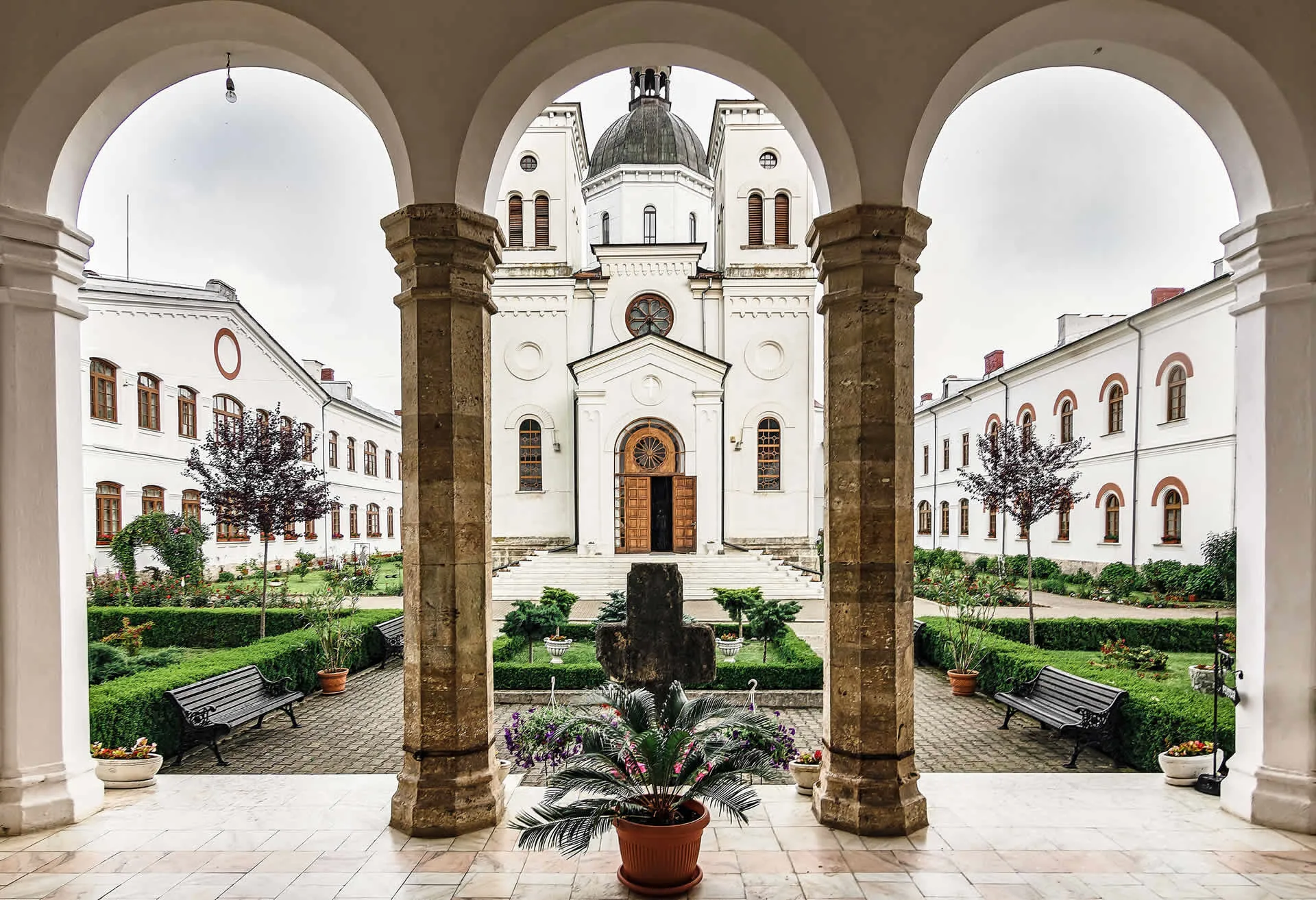
Venice is one of Italy's most distinctive travel destinations, and its unique geography influences the cost of visiting. Whilst dining and attractions are generally comparable to other major Italian cities, accommodation and transportation can be slightly more expensive due to the city's island setting. Booking your stay in a local monastery is an excellent way to save! Understanding typical local prices for food, water transport, attractions, and day trips will help you plan your budget and make the most of your time exploring the Floating City.
Typical Transportation Costs
- Vaporetto (Water Bus) single ticket: €9.50
- 24-hour Vaporetto pass: €25
- 48-hour Vaporetto pass: €35
- 72-hour Vaporetto pass: €45
- Water taxi: €60–€120 depending on distance
- Taxi from Marco Polo Airport to Piazzale Roma: €40–€55
- Regional train to nearby cities: €5–€25 depending on destination
Food & Drink
- Italian breakfast & coffee: €4–€8
- Lunch at a traditional bacaro or trattoria: €15–€25
- Pizza or pasta dinner: €18–€35
- Three-course dinner for two: €70–€140+
- Espresso: €1.50–€3
- Cappuccino: €2.50–€5
- Local beer: €4–€8
- Glass of Venetian or Italian wine: €5–€10
- Gelato: €3–€6
Attractions & Activities
- St. Mark's Basilica: €6–€20 depending on areas visited
- Doge's Palace: €25–€30
- Gallerie dell'Accademia: €15–€18
- Basilica dei Frari: €5–€8
- Gondola ride: €90 (standard daytime fare for up to 30 minutes)
- Guided walking tours: €20–€40
- Murano glass factory tours: Many are free, though purchases are encouraged
Day Trips
- Murano & Burano: Included with Vaporetto pass or €9.50 single fare each way
- Padua: €10–€30
- Verona: €20–€50
- Bologna: €25–€60
- The Dolomites: €60–€180+ depending on transport and tour options
Estimated Daily Budget Per Person
- Budget traveller: €70–€120
- Mid-range traveller: €160–€280
- Luxury traveller: €400+
Money-saving tip: Purchasing a Vaporetto travel pass can save a significant amount if you plan to visit Murano, Burano, or make multiple journeys around the city. Dining just a few streets away from St. Mark's Square or Rialto Bridge often provides noticeably better value whilst offering a more authentic Venetian experience. Many of Venice's greatest attractions, including its canals, bridges, piazzas, and historic churches, can also be enjoyed free of charge.
Although Venice is one of Italy's more expensive destinations, it offers an unforgettable experience unlike anywhere else in the world. By planning transportation, booking popular attractions in advance, and exploring beyond the busiest tourist areas, visitors can enjoy the city's remarkable history, architecture, and culture whilst staying comfortably within their chosen budget.