Fátima, Portugal: The Miracles of 1917, Papal Recognition, and Why Pilgrims Still Journey Today
Fátima, Portugal, is one of the most significant Catholic pilgrimage destinations in the world. Each year, millions of visitors travel to this small town to reflect, pray, and walk in the footsteps of three shepherd children whose reported visions in 1917 transformed the site into a global centre of the faith.
Whether visiting for spiritual reasons, historical interest, or cultural exploration, Fátima offers a powerful and contemplative experience, enhanced by the peaceful rhythm of monastic hospitality available throughout the region.
Where Is Fátima and Why Is It Famous?
Fátima is located in central Portugal, about 130 km north of Lisbon. Prior to the 20th century, it was a quiet rural parish. That changed dramatically in 1917 following reports that a vision of the Virgin Mary, referred to as Our Lady of Fátima, appeared to three local children.
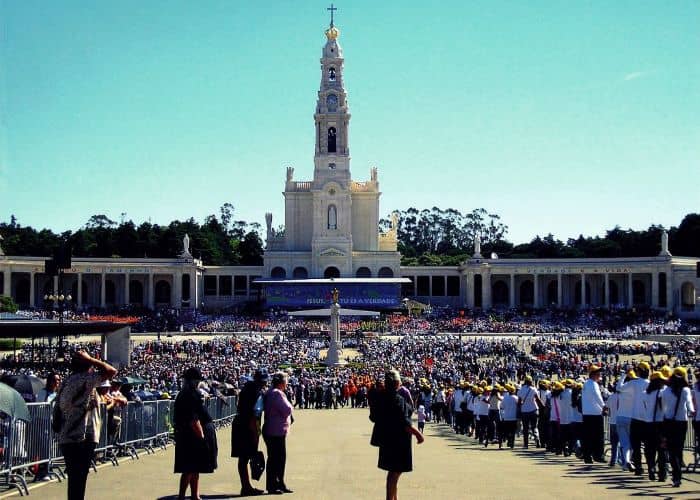
These events, later recognised by the Catholic Church, culminated in what became known as the Miracle of the Sun, witnessed by tens of thousands.
Timeline of the Fátima Apparitions and Miracles (1917)
Spring 1917, Angelic Visitations
Before the Marian apparitions, the children, Lúcia dos Santos, and her cousins Francisco and Jacinta Marto, reported visits from an angel who encouraged prayer and repentance.
13 May 1917, First Apparition
While tending sheep at the Cova da Iria fields, the children reported seeing a woman “brighter than the sun, shedding rays of light clearer and stronger than a crystal goblet filled with the most sparkling water and pierced by the burning rays of the sun.” She asked them to return on the 13th of each month and to pray the Rosary for peace.
June to September 1917, Monthly Apparitions
During these visits:
- The lady urged prayer and conversion
- She revealed prophetic messages, later called the “Secrets of Fátima”
- Crowds began gathering, growing into the thousands
- Reports of supernatural signs, such as sudden rain stopping or unusual light phenomena, circulated
13 July 1917, The Three Secrets
The children received visions concerning:
- A frightening vision of hell
- Predictions about world conflict and WWI
- A prophetic message later linked by many to global events and Church persecution
August 1917, Arrest of the Children
Local authorities detained the children, attempting to discredit the events. Despite this, public interest intensified.
13 October 1917, The Miracle of the Sun
An estimated 50,000 to 70,000 people gathered in heavy rain.
Witnesses reported:
- The sun appearing to spin
- Multicoloured light radiating across the sky
- The sun seeming to plunge toward the earth
Even secular newspapers documented the phenomenon. This event solidified Fátima’s recognition worldwide.
Church Investigation and Early Recognition
Following the events, the Catholic Church conducted a lengthy canonical investigation.
In 1930, the Bishop of Leiria officially declared the apparitions “worthy of belief”, permitting public devotion.
This opened the way for formal pilgrimages and the construction of what is now the Sanctuary of Fátima.
Pope Pius XII and the 1946 Decree
Papal recognition further elevated Fátima’s importance.
In 1946, Pope Pius XII:
- Sent a papal legate to crown the statue of Our Lady of Fátima.
- Issued formal recognition reinforcing the Church’s approval of the devotion.
- Encouraged global veneration linked to prayer for peace following World War II.
Pius XII had a personal devotion to Fátima and later consecrated the world to the Immaculate Heart of Mary, echoing themes from the apparitions.
His endorsement cemented Fátima as an international pilgrimage destination, not merely a regional devotion.
Why Fátima Matters to Catholics Today
Fátima’s significance extends beyond the apparitions themselves.
1. A Message of Peace
The 1917 visions occurred during World War I and spoke of prayer for global peace, a message that continues to resonate today.
2. Pilgrimage and Personal Reflection
Visitors often undertake pilgrimages:
- Walking long distances (some on their knees as an act of devotion)
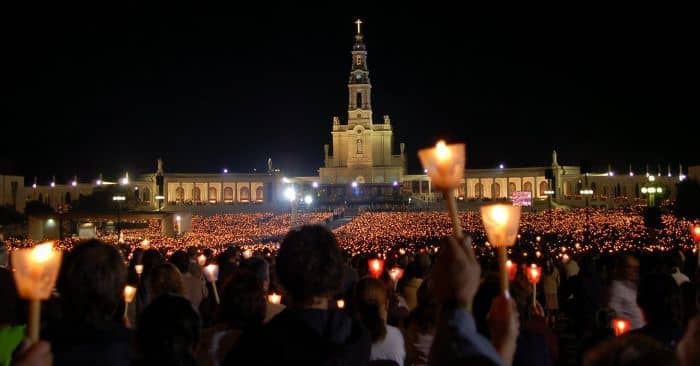
- Lighting of candles
- Participating in processions
The experience is as much personal and contemplative as it is religious.
3. Major Feast Days
Key pilgrimage dates include:
- 13 May, Anniversary of the First Apparition
- 13 October, Anniversary of the Miracle of the Sun
These events draw pilgrims by the hundreds of thousands annually.
4. A Recognised Marian Shrine
Fátima stands alongside Lourdes (France) and Guadalupe (Mexico) as one of the most important Marian shrines in the Catholic world.
Visiting Fátima Today: A Spiritual and Cultural Journey
Modern Fátima blends sacred spaces with visitor infrastructure, including:
- The Sanctuary of Our Lady of Fátima
- The Chapel of Apparitions
- The Basilica of Our Lady of the Rosary
- Pilgrim squares and candlelight procession routes
Yet despite its popularity, the atmosphere remains peaceful, particularly in the early morning and evening hours.
Enhancing the Pilgrimage Experience Through Monastic Stays
For many visitors, accommodation is part of the spiritual journey, not just a practical necessity.
Staying in a monastery or religious guesthouse in Fátima offers:
- Quiet surroundings for reflection
- Simple, comfortable rooms
- Proximity to pilgrimage sites & Catholic events
- Opportunities to participate in prayer or liturgy (optional)
- A deeper connection to the spiritual heritage of Fátima
Unlike traditional hotels, monastery stays emphasise tranquillity, hospitality, and contemplation, aligning closely with the purpose of the visit.
Through Monasteries.com, pilgrims and cultural travellers can arrange accommodation within local monasteries, creating a more immersive and meaningful experience during their time in Fátima.
Planning Your Journey
When planning a visit to Fatima, consider:
- Booking accommodation early for the May and October anniversaries
- Allowing time for both sanctuary visits and quiet reflection
- Exploring nearby religious and historical sites
- Participating in evening candlelight processions
Whether travelling for faith, history, or cultural interest, Fátima, Portugal offers a uniquely moving destination that has drawn pilgrims for more than a century.