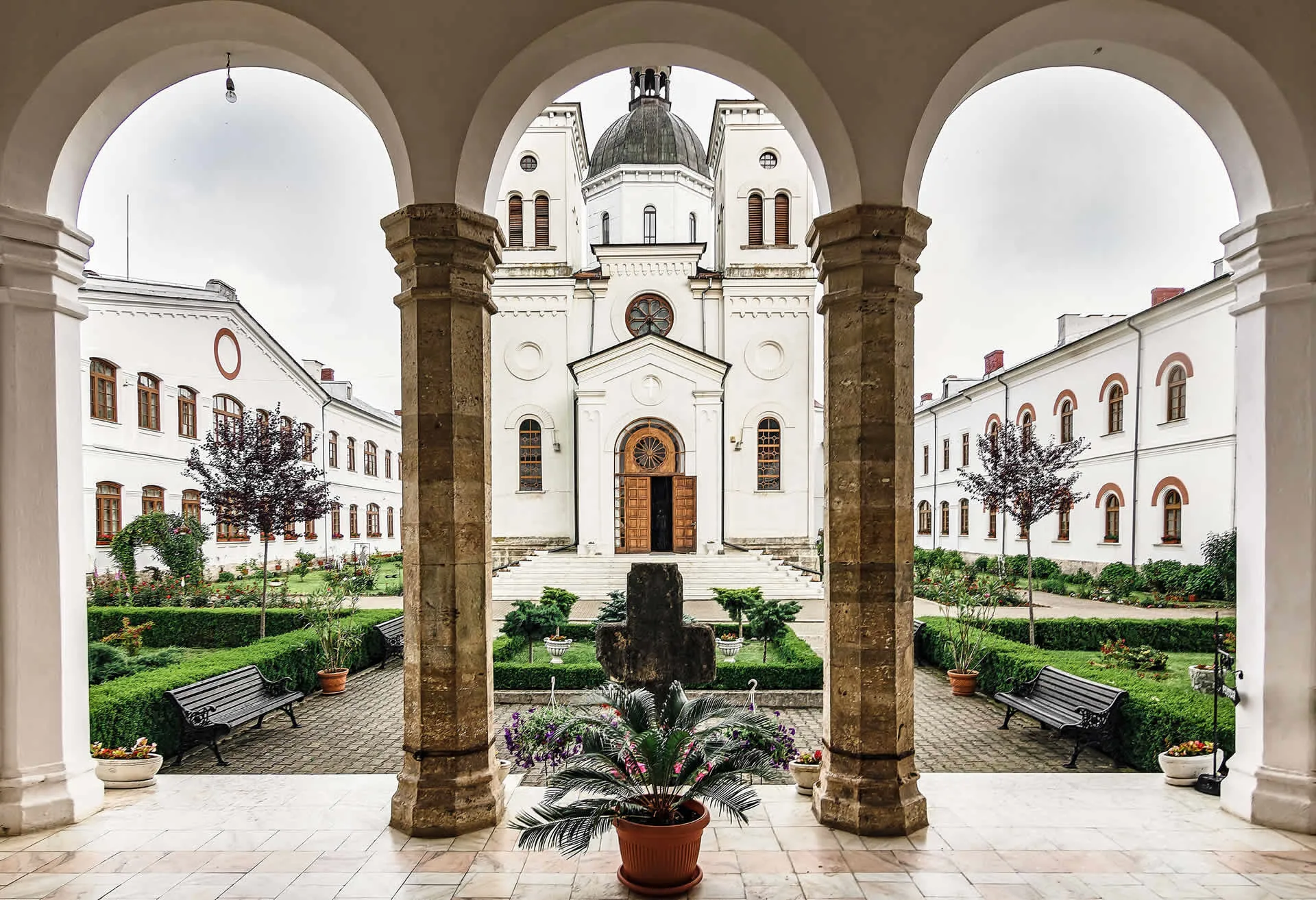
In the heart of Oviedo you will find the Campo de San Francisco Park with plenty to admire including flora, fountains, ruins and romantic promenades.
Visit the pilgrims’ San Salvador Cathedral, an incredible structure with a blend of architectural styles which can be found on Plaza Alfonso II El Casto.
You can visit the museum of fine arts inaugurated in a Palace in the City Centre, with many artefacts to be seen.
You will come across plenty of Restaurants, Bars and Cafés in the City Centre to enjoy and take advantage of the delicious variety of cuisines!
Take a stroll through the historic and commercial centers, you will see many incredible buildings such as the Plaza de la Escandalera, and also a statue located in the Plaza of ‘’maternity’’ by Fernando Botero, the Colombian artist.
Travel
The best way to get around is by walking.
Oviedo’s closest Airport is in Asturias approximately 40km away (OVD). There are buses running taking you into the Center of Oviedo.
In the center of town you will find the Bus Station with regular buses running to enable you to get around town and to surrounding areas.
Oviedo also has a train station in the city center, so you can travel further afield if you wish. There is also a taxi rank at the station.
If you’re travelling by car, then you can travel at your own pace and see all the sights without relying on timetables.